Turnham Green upholstery cleaning tips for W4 homes
Posted on 02/07/2026
If you live near Turnham Green, you already know how quickly upholstery can pick up the signs of real life: muddy shoes by the door, a coffee splash on the arm of the sofa, pet hair in the weave, or that faint dust-and-daylight look a favourite chair gets after a long London winter. The good news? With the right Turnham Green upholstery cleaning tips for W4 homes, you can keep fabric furniture looking fresher for longer without risking colour loss, shrinkage, or that dreaded water mark that seems to appear out of nowhere.
This guide is designed for busy W4 households, renters, homeowners, and anyone trying to get better results from routine sofa and chair care. We'll cover what upholstery cleaning actually involves, how to clean different fabrics safely, when to stop and call in help, and the mistakes that cause more harm than good. If you want a more professional finish, you may also find it useful to look at local upholstery cleaning support in Chiswick W4 alongside the practical advice below.
To be fair, most upholstery problems start small. A ring from a drink. A bit of body oil on a headrest. A crumb trail down the side of a seat. Deal with them early and furniture lasts years longer. Leave them, and they settle in like they pay rent.
Why Turnham Green upholstery cleaning tips for W4 homes Matters
Upholstery is one of the hardest-working surfaces in a home, especially in family properties, flats, and shared living spaces around Turnham Green and the wider W4 area. Sofas, armchairs, footstools, dining chairs, and even window seats collect grime slowly. You rarely notice it day by day, but one afternoon of bright light coming through the lounge window can make the difference obvious.
Good upholstery care matters because fabric is more vulnerable than it looks. Dust settles into the pile. Oils from skin and hair break down fibres over time. Food and drink spills can change the texture of a weave or leave a mark that becomes more visible after drying. If you have pets, the challenge doubles. If you have children, well, let's just say the sofa probably knows things.
There's also a practical angle. Regular care keeps furniture comfortable and presentable, reduces odours, and can help you avoid replacing items earlier than necessary. For rented homes or move-out situations, a cleaner living room can also support a better first impression. In a local housing market where presentation counts, that's not a small thing.
If you are also refreshing the rest of the home, it can make sense to pair upholstery care with carpet cleaning in Chiswick W4 or broader house cleaning for W4 homes. Clean furnishings tend to lift the whole room, not just one item.
How Turnham Green upholstery cleaning tips for W4 homes Works
The basic idea is simple: remove dry soil first, treat marks carefully, use minimal moisture unless the fabric can handle it, and allow full drying with good airflow. The detail is where most people go wrong. Upholstery is not one material. It may be cotton, linen, wool, microfibre, velvet, synthetic blends, leather, or a mixture of fibres with a protective treatment. Each one behaves differently.
In practice, effective upholstery cleaning follows a few stages:
- Identify the fabric type. Check labels or manufacturer guidance where available. If you do not know the fibre, test cautiously in a hidden area.
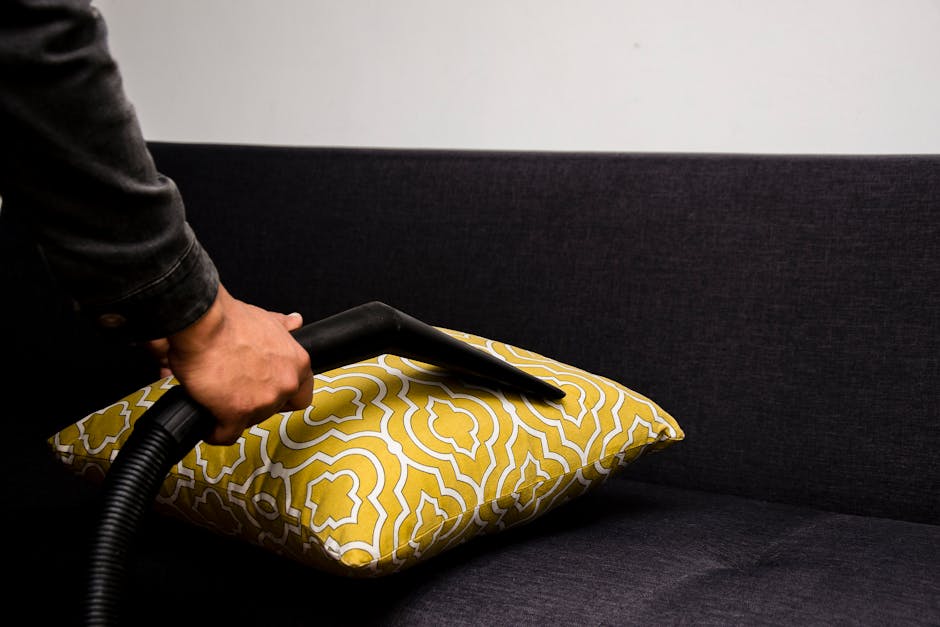
- Remove loose debris. Vacuum slowly with the right attachment, including seams, piping, and under cushions.
- Target stains. Use the mildest suitable approach first, and blot rather than scrub.
- Control moisture. Too much liquid can spread the stain, leave marks, or affect the cushion filling.
- Dry properly. Open windows, increase air circulation, and avoid sitting on the item until it is fully dry.
One useful way to think about it is this: upholstery cleaning is less about force and more about control. Control the amount of product, control the moisture, control the drying time. The result is usually better, and safer too.
For delicate fabrics, especially velvet or richly textured materials, it's worth reading fabric-specific guidance such as care advice for velvet textiles. The principles translate surprisingly well when you are dealing with soft pile upholstery.
Key Benefits and Practical Advantages
When upholstery is cleaned properly, the benefits are both visible and subtle. Some are immediate. Others build over time.
- Better appearance: colours look clearer, fabric looks brighter, and room lighting feels cleaner.
- Improved freshness: trapped odours from cooking, pets, and daily use are reduced.
- Longer furniture life: dirt acts a bit like fine sandpaper, so removing it helps preserve fibres.
- More comfortable living spaces: cleaner seating simply feels nicer to use.
- Better hygiene: routine maintenance reduces the build-up of dust and everyday grime.
- Stronger resale or rental presentation: tidier upholstery helps a property feel cared for.
There is also a confidence factor. Once you know what to do, small spills stop feeling like emergencies. That alone can make a home feel calmer. A lot of people only notice this after they have cleaned a sofa properly for the first time and realise, ah, this is not such a mystery after all.
And if a deep refresh is overdue, professional support may be a sensible next step. You can review options for getting a quote for cleaning in W4 when you want a clearer idea of scope before deciding.
Who This Is For and When It Makes Sense
These tips are useful for just about anyone with upholstered furniture, but they are especially relevant if you live in a busy Turnham Green household where everyday use is high. Think family homes, top-floor flats with less storage, period properties with older furnishings, and rented places where you want to keep things neat without replacing furniture unnecessarily.
It also makes sense if you are dealing with one of the following:
- Fresh food or drink spills
- Pet hair and lingering odours
- Dust build-up after renovation or moving
- General dullness in high-use seating areas
- Marks on light-coloured fabric
- Sun-faded or flattened-looking upholstery that needs careful reviving
Some homeowners like to handle light maintenance themselves and call in help only when the fabric is tricky. That is fair. In fact, that is often the smartest approach. A quick weekly routine at home, followed by a periodic deep clean, is usually more effective than waiting until the sofa has become a science project.
If you are moving out, preparing a property for new tenants, or simply trying to get the whole home back into shape, it can help to combine upholstery care with end of tenancy cleaning in Chiswick W4 or broader domestic cleaning services. That way the furniture is handled as part of the bigger picture rather than as an afterthought.
Step-by-Step Guidance
Here is a straightforward process you can use at home for routine upholstery care. It is intentionally conservative. In real life, careful beats clever most of the time.
1. Check the care label or fabric type
Look under the cushions, on the frame, or in the manufacturer paperwork. If there is a cleaning code, treat it seriously. If there is no label, assume the fabric needs a cautious approach. Velvet, silk blends, and some natural fibres are much less forgiving than sturdy synthetic upholstery.
2. Vacuum thoroughly
Use a soft brush attachment and move slowly. Focus on seams, button tufts, armrests, and the gap where crumbs love to hide. For the best result, vacuum in two directions on textured fabric. That helps lift dust from the pile instead of just skimming the surface.
3. Test any cleaning solution first
Apply a tiny amount to a hidden patch. Wait until it dries. Check for colour transfer, shine change, or water marking. This step feels boring, but it saves a lot of regret. Honestly, a five-minute test can save a five-hundred-pound mistake.
4. Treat stains gently
For fresh spills, blot with a clean white cloth. Do not rub. Rubbing drives the stain deeper and can roughen the fibres. Use a little suitable upholstery cleaner or a mild solution if appropriate for the fabric, then blot again with a dry cloth.
5. Work from the outside in
When you treat a stain, start at the edge and move inward. That helps prevent a ring from forming. Overwetting the centre is one of the main reasons people end up with a mark that looks bigger than the original spill.
6. Dry with airflow
Open windows if weather allows. Use a fan if needed, but avoid blasting heat straight onto the fabric. Most upholstery prefers patience. Cushions may take longer than the visible surface, so do not rush it.
7. Fluff and reset the fibres
Once dry, restore the nap or pile with a soft brush where suitable. Put cushions back carefully and check the item again in daylight. That final look-over catches any missed patch before it becomes a "why does that still look odd?" moment later in the evening.
Expert Tips for Better Results
Small habits make a big difference with upholstery. The professionals tend to be picky about a few things, and for good reason.
- Use white cloths, not coloured ones. Dyes can transfer to pale fabrics when damp.
- Blot with pressure, not panic. Press down firmly for a second or two, then lift.
- Clean the whole panel if possible. Spot-cleaning a tiny area can leave a visible tide mark on some fabrics.
- Keep products minimal. More cleaner does not mean more clean. Usually it means more residue.
- Work in natural light when you can. Morning or daytime light shows marks more accurately than a warm lamp in the corner.
- Freshen regularly. A five-minute weekly vacuum is far better than one heroic annual rescue mission.
If you are dealing with velvet, brushed cotton, or a soft woven finish, treat the pile with extra respect. The surface direction matters. A quick change in brush direction can alter how the fabric reflects light, which is why some patches appear darker even when they are technically clean. Mildly annoying? Yes. Completely normal? Also yes.
For households juggling several cleaning jobs at once, a combined approach can help. Local office cleaning in Chiswick W4 shows how routine maintenance works best when it is scheduled, not improvised. The same idea applies at home.
Common Mistakes to Avoid
Most upholstery damage does not come from the stain itself. It comes from how people try to fix it. A little restraint goes a long way.
- Scrubbing hard: This spreads stains and wears the fabric down.
- Using too much water: It can soak into cushion filling and cause long drying times.
- Skipping the fabric test: This is where colour change and water marks often begin.
- Using random household sprays: Not every all-purpose cleaner suits upholstery, even if it smells clean.
- Ignoring odour build-up: Freshening surface marks without cleaning the source is only half a job.
- Putting cushions back too soon: Damp filling traps smell and can flatten the shape.
A subtle but common mistake is over-cleaning. People see one small mark, then start attacking the entire sofa with product after product. The fabric ends up looking patchy. Sometimes the best move is to stop, let it dry, and reassess with fresh eyes. That takes discipline, but it works.
Another one: forgetting the hidden zones. Under the cushions, behind the sofa, along the piping. The visible area gets all the attention, while the rest quietly collects dust like it has ambitions.
Tools, Resources and Recommendations
You do not need a cupboard full of specialist gear to care for upholstery properly. A few sensible tools will cover most everyday situations.
| Tool or product | Best use | Why it helps |
|---|---|---|
| Soft brush vacuum attachment | Routine dust and crumb removal | Lifts dirt without harsh abrasion |
| Microfibre cloths | Blotting fresh spills | Absorbent and less likely to leave lint |
| White cotton cloths | Testing and stain treatment | Helps avoid dye transfer |
| Soft upholstery brush | Refreshing pile and textured fabric | Useful for restoring appearance after drying |
| Mild fabric-safe upholstery cleaner | Routine spot treatment | Designed for furniture fabrics, not general hard surfaces |
| Fan or open-window airflow | Drying | Reduces moisture lingering in cushions |
If you are not sure how to deal with a specific fabric, it is often worth stopping at light maintenance rather than improvising a deep clean. In some homes, the safer route is simply better value. That is especially true for delicate lounge suites, antique pieces, or anything with mixed fibres.
And if you prefer to hand the problem over rather than spend your Saturday afternoon on stain duty, you can always look into exclusive local cleaning rates before booking anything more involved.
Law, Compliance, Standards, or Best Practice
For home upholstery cleaning, there is usually no special legal process to follow in the way there might be for regulated trades, but there are still sensible standards to respect. In the UK, good practice means using products according to their instructions, keeping cleaning solutions away from children and pets, and checking fabric labels where available. If an item is valuable, antique, or structurally delicate, it is wise to proceed carefully and get professional advice rather than take a guess.
For landlords, tenants, and managing agents, the key issue is expectation rather than strict upholstery legislation. A property should be left in the condition agreed in the tenancy or cleaning arrangement, allowing for fair wear and tear. That usually means upholstery should be clean, presentable, and not left with avoidable stains or strong odours. Plain and simple.
If you use steam or water-based methods, make sure electrical components, mechanisms, and fixed fittings are protected. Recliners, sofa beds, and fitted seating can have hidden hardware that does not appreciate a soaking. No surprises there.
As a best-practice rule, document condition before and after if you are cleaning for a tenancy handover or property move. A few photos on your phone can save awkward conversations later. Not glamorous, but useful.
Options, Methods, or Comparison Table
Different upholstery cleaning methods suit different situations. Here is a practical comparison to help you decide what makes sense for your home.
| Method | Best for | Strengths | Watch-outs |
|---|---|---|---|
| Vacuuming and routine care | Weekly maintenance | Easy, low-risk, keeps dirt from settling | Won't remove deep stains |
| Spot cleaning | Fresh marks and isolated spills | Targets problem areas quickly | Can leave rings if overused |
| Foam or light fabric cleaner | General refresh on suitable fabrics | Helpful for mild grime | Not ideal for all fabrics |
| Steam or hot-water extraction | Deeper cleaning on compatible upholstery | Can reach embedded soil | Too much moisture on delicate fabrics |
| Professional upholstery cleaning | Delicate fabrics, heavy soiling, odours, or large furniture | More controlled, better for tricky situations | May not be necessary for light maintenance |
For many W4 homes, the smartest pattern is a mix of routine vacuuming, careful spot treatment, and occasional deep cleaning when the fabric genuinely needs it. Not every sofa needs a big intervention. Some just need steady, sensible upkeep.
If you want a broader local service picture, you may also find it helpful to read about local carpet care around Chiswick High Road, especially if your floors and furniture need attention at the same time.
Case Study or Real-World Example
Here's a realistic example from a typical Turnham Green home: a two-bedroom W4 flat with a cream fabric sofa in the living room, a couple of dining chairs, and a pet that treats the window seat like a personal throne. The owners noticed the sofa looking dull near the headrest and on one arm, plus a faint smell after the heating had been on for a few weeks.
They started with a slow vacuum, paying attention to seams and the gap under the cushions. That alone made the fabric look a bit better. Then they tested a mild cleaner on the back edge of one cushion, waited for it to dry, and checked the colour in daylight. No problem. Good start.
Next came a careful spot treatment on the headrest area with a cloth, using light pressure and minimal product. They avoided soaking the fabric. They also opened the windows for most of the afternoon, which helped more than expected. The room had that faint clean-laundry smell by evening, not perfumed, just fresher. Subtle, but noticeable.
The main lesson was simple: the sofa did not need aggression. It needed patience, the right cloths, and a refusal to overdo it. In that sort of case, routine upkeep combined with occasional professional help is usually enough to keep the furniture in good nick. Nothing dramatic. Just proper care.
Practical Checklist
Use this quick checklist before and during upholstery cleaning at home:
- Identify the fabric type or cleaning code
- Vacuum all surfaces, seams, and cushion gaps
- Test any product in a hidden spot
- Blot spills with a clean white cloth
- Use the smallest effective amount of cleaner
- Work from the stain edge inward
- Avoid scrubbing and over-wetting
- Allow full drying with good airflow
- Brush or fluff the fabric gently once dry
- Check the result in daylight before calling it done
Practical summary: start dry, stay gentle, test first, and dry thoroughly. That formula solves far more upholstery problems than most people expect.
Conclusion
Turnham Green upholstery cleaning tips for W4 homes are really about protecting the furniture you already rely on every day. A sofa is not just a sofa; it is where people collapse after work, where guests sit with a cup of tea, where children build forts, and where the dog somehow always finds the softest corner. So yes, it deserves proper care.
The good news is that upholstery care does not need to be complicated. Vacuum regularly, treat spills early, test before using any cleaner, and respect the fabric. When the item is delicate, valuable, or heavily soiled, professional help is usually the safer choice. That is not overcautious. It is just sensible.
For homeowners, renters, and busy families in W4, the best results usually come from a mix of steady maintenance and occasional deeper cleaning. Keep it simple, keep it careful, and your furniture will look better for longer. That's the whole game, really.
If you are ready to refresh your furniture with expert support, contact the local team or explore the most suitable service options for your home.
Get a free quote today and see how much you can save.

Emily, a florist with seasoned expertise, excels in bringing happiness to flower enthusiasts. Through her wealth of experience, she adeptly arranges charming bouquets and beautiful flower displays.


