Gunnersbury Park stain removal and carpet cleaning advice
Posted on 08/08/2026
If you live near Gunnersbury Park, you already know how quickly carpets pick up the mess of real life: muddy shoes after a walk, coffee after a rushed morning, pet accidents, the odd wine spill, and all the little marks that seem to appear out of nowhere. Good stain removal and sensible carpet cleaning advice can save a rug, protect your flooring, and stop a small blot from turning into a permanent reminder. This guide pulls together practical, local-minded advice for handling stains properly, choosing the right cleaning method, and knowing when DIY is enough. It is written for people who want the job done neatly, not theatrically.
If you are comparing local cleaning help as well as doing some of the work yourself, you may also find it useful to look at carpet cleaning in Chiswick W4 and the wider advice shared on the blog.
Contents
- Why Gunnersbury Park stain removal and carpet cleaning advice Matters
- How Gunnersbury Park stain removal and carpet cleaning advice Works
- Key Benefits and Practical Advantages
- Who This Is For and When It Makes Sense
- Step-by-Step Guidance
- Expert Tips for Better Results
- Common Mistakes to Avoid
- Tools, Resources and Recommendations
- Law, Compliance, Standards, or Best Practice
- Options, Methods, or Comparison Table
- Case Study or Real-World Example
- Practical Checklist
- Conclusion
- Frequently Asked Questions
Why Gunnersbury Park stain removal and carpet cleaning advice Matters
Stains are rarely just cosmetic. On a carpet, they can change the fibre texture, attract dirt, trap odours, and make the whole room feel tired. Near Gunnersbury Park, that tends to show up fast because people often bring in soil, leaf debris, and moisture from outside. Winter slush is one thing; a bright summer day with ice cream and sunscreen is another. Both can leave marks, and both behave differently once they settle into fibres.
The main reason this topic matters is that carpets are not one-size-fits-all. Wool, wool blends, nylon, polypropylene, and delicate natural fibres each respond differently to moisture, detergents, agitation, and heat. A method that helps on a synthetic hall runner may make a wool lounge carpet look dull or even slightly felted. That is the bit people often miss, and then they wonder why the patch looks worse after cleaning. Annoying, yes. Common, also yes.
There is a second reason too: stain removal is time-sensitive. The longer a spill sits, the more it can bond with the pile or backings. Fresh spills are usually easier to blot out. Older ones may need a staged approach: dry removal first, then targeted cleaning, then controlled drying. In practice, the best result usually comes from acting early and staying calm. Not heroic. Just calm.
For local households that are juggling family life, visitors, rentals, or work-from-home routines, clean carpets do more than look nice. They help the whole property feel looked after. If you want a broader home-care context, the advice on house cleaning in Chiswick W4 and domestic cleaning support can sit neatly alongside carpet care.
How Gunnersbury Park stain removal and carpet cleaning advice Works
The basic principle is simple: identify the stain, reduce the spread, use the least aggressive method first, and only increase intensity if needed. The trick is knowing what the stain is made of. Water-based stains, oily stains, protein stains, tannin-based stains, and dye transfer all behave differently. A splash of tea on a beige carpet is not the same challenge as a greasy sauce mark or a red wine spill from Friday night. Truth be told, that is where many DIY attempts go sideways.
Here is the practical sequence most experienced cleaners follow:
- Assess the stain type and the carpet fibre before touching anything.
- Remove solids first with a spoon, dull knife, or paper towel, if the spill has texture.
- Blot, do not rub to avoid pushing the stain deeper or fraying the pile.
- Use a small amount of suitable solution rather than soaking the area.
- Work from the outside in so the mark does not spread.
- Rinse lightly if needed to prevent residue that attracts dirt later.
- Dry properly with airflow, not heat blasting close to the fibres.
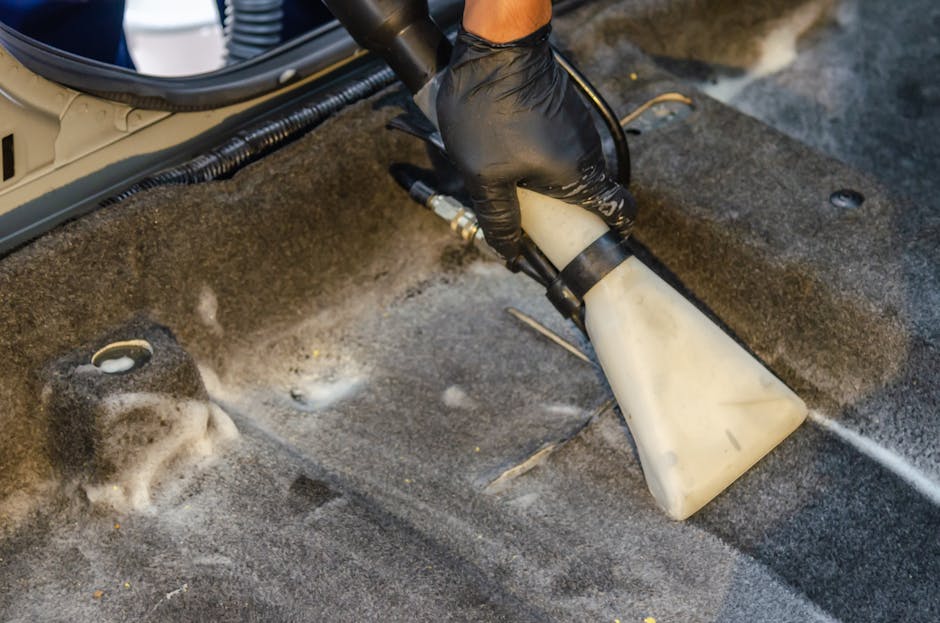
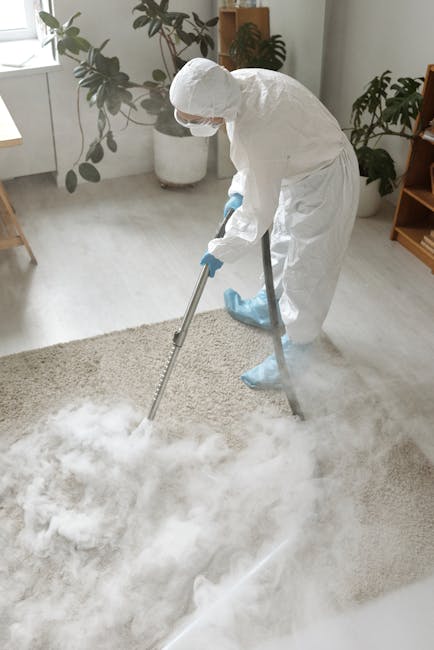
Carpet cleaning itself usually falls into one of a few common methods. Hot water extraction, often called steam cleaning in everyday speech, flushes soil and residues out of the pile with controlled water and suction. Low-moisture cleaning uses much less water and can suit some commercial or routine maintenance needs. Dry compound cleaning is another option in specific situations, especially where drying time must be minimal. Each method has trade-offs, and none is automatically the best in every home.
If you are dealing with a damaged rug or a piece with sentimental value, you may want to read more about specialist rug care in this Bedford Park rug cleaning guide. It is a useful nearby reference point for people managing delicate floor coverings as well as standard carpets.
Key Benefits and Practical Advantages
Good stain removal advice is not just about saving money, although that is a nice side effect. It also reduces the risk of permanent damage and helps you clean with a little more confidence. And once you know what not to do, you tend to panic less. That matters more than people admit.
- Preserves carpet appearance by preventing stains from setting into the pile.
- Extends carpet lifespan because fibres suffer less from repeated scrubbing and harsh chemicals.
- Improves indoor freshness by reducing the smell that can linger after food, drink, or pet accidents.
- Protects fibre colour and texture through gentler, better matched cleaning methods.
- Helps with move-out or hosting situations where first impressions matter a lot.
- Makes future cleaning easier because residue is kept to a minimum.
There is also a practical mental benefit. A well-cleaned carpet makes a room look more orderly even if the rest of the house is in midweek chaos. You know the feeling: one clean landing or sitting room and suddenly the whole place seems less frazzled. Small win, but a real one.
For people preparing a property for tenants, viewings, or guests, carpet care can sit alongside services such as end of tenancy cleaning in Chiswick W4 or occasional office cleaning support if the same standards are needed in a work setting.
Who This Is For and When It Makes Sense
This advice is useful for a wide range of people, but the urgency depends on the situation. A fresh spill in a busy hallway? Act quickly yourself. A deep red stain on a wool carpet that has already dried? You may be better off getting professional help sooner rather than later. That distinction saves time, and frankly a lot of fuss.
This guide is especially relevant if you are:
- a homeowner trying to keep carpets looking presentable between deep cleans;
- a tenant who wants to avoid avoidable damage before an inspection or move-out;
- a landlord preparing a property for new occupants;
- a pet owner dealing with recurring accidents or odours;
- a parent handling food spills, craft marks, or muddy footprints;
- someone caring for a rental, a guest room, or a lightly used formal sitting room;
- anyone near Gunnersbury Park who comes back from walks with damp shoe marks and outdoor grit.
It also makes sense when you are deciding whether to buy a cleaning product, rent equipment, or call for help. If the stain is spread out, old, oily, or affecting a large room, do not assume elbow grease will magically fix it. Sometimes it will. Sometimes it just makes the patch larger. Carpets are funny like that.
Step-by-Step Guidance
Use this as a sensible, real-world process rather than a strict ritual. The goal is to control the stain, not wrestle the carpet into submission.
1. Act quickly but do not rush
Pick up loose debris first. If it is food, remove the solid part carefully. If it is liquid, grab a white cloth or paper towel and blot from the outer edge inward. Do not scrub. Scrubbing is one of those instinctive things that feels helpful and usually is not.
2. Test in a hidden spot
Before using any cleaning solution, test it somewhere inconspicuous, such as behind a sofa or under a radiator pipe area. Watch for colour change, fibre flattening, or residue. A few minutes of caution can save you from a much bigger headache.
3. Use the right solution for the stain
Water-based marks may respond to a mild solution and gentle blotting. Grease usually needs a product that can break down oil. Protein-based stains, such as milk or food, need careful handling with cool or lukewarm water, not heat. Heat can set certain stains, which is one of those unhelpful facts people discover only once.
4. Apply sparingly
Too much liquid pushes the stain deeper into the backing or underlay. Use a little, blot, then repeat if needed. The best cleaning result often comes from patience, not volume.
5. Rinse out residue
Cleaning agents left in carpet fibres can attract dirt later and leave a sticky patch. A light rinse, followed by thorough blotting, usually helps. Do not over-wet the carpet trying to "wash away" the cleaner.
6. Dry the area properly
Use airflow. Open a window if weather allows, switch on a fan, and keep foot traffic off the damp area. If the carpet stays damp too long, you risk odour or a musty smell. No one wants that. Nobody.
7. Reassess after drying
Some stains look better while damp and then reappear slightly as the fibres dry. If that happens, repeat the process gently or move to a more suitable method. If the stain is still visible after a careful attempt, stop before you make it worse.
Expert Tips for Better Results
These are the small things that make a surprising difference. Not glamorous. Very effective.
- Keep a stain kit ready with white cloths, a spoon, a soft brush, and a mild cleaning solution.
- Work from clean to dirty when blotting, so you do not spread residue around.
- Use white materials only for blotting; coloured cloths can transfer dye.
- Vacuum before deep cleaning to remove dry grit that can scratch fibres.
- Lift the pile gently after drying with your fingers or a soft brush so the area blends better.
- Treat odour and stain separately; a stain can be gone while smell remains, or the reverse.
- Stay cautious with supermarket products that promise instant results. Some are fine, but others leave residue or change the feel of the carpet.
If you are dealing with delicate fabrics nearby as well, for example curtains or upholstered furniture, it can be worth reading about cleaning velvet curtains without damage and the practical advice in upholstery cleaning in Chiswick W4. Different materials, same basic rule: gentle first, stronger only when justified.
A small human note here. The best cleaners I've seen are rarely the most dramatic ones. They are the patient ones. A cloth, a bit of judgment, and no panic. Simple, but it works.
Common Mistakes to Avoid
Most carpet disasters do not happen because people are careless. They happen because people are trying to help in a hurry. Fair enough. But the fix is usually a bit more restrained than the instinct.
- Rubbing the stain instead of blotting it.
- Using too much water, which can spread the mark or soak the underlay.
- Applying bleach or harsh chemicals without knowing the fibre type.
- Using heat too early, especially on protein-based stains.
- Ignoring the backing and underlay when the stain has already soaked through.
- Mixing cleaning products, which can be ineffective at best and risky at worst.
- Skipping a patch test because the stain "needs fixing now."
Another common issue is trying to make one product do everything. It rarely does. A hallway mark from outdoor grit, a sauce stain in the dining room, and a pet accident in a bedroom each need a slightly different approach. The carpet has the final say, basically.
If the problem is not just one stain but a whole property that needs resetting, a broader clean may be more practical. In some cases, house cleaning in Chiswick W4 or one of the local service options makes more sense than chasing spot fixes room by room.
Tools, Resources and Recommendations
You do not need a giant kit to handle everyday carpet stains. A tidy, modest set of tools usually covers most incidents.
| Tool or Product | Best Use | Why It Helps |
|---|---|---|
| White microfibre cloths | Blotting fresh spills | They absorb well and avoid dye transfer |
| Spoon or dull edge | Lifting solids | Reduces smearing and fibre damage |
| Soft brush | Reviving pile after drying | Helps the carpet look even again |
| Vacuum cleaner | Removing dry soil before cleaning | Prevents grit from grinding into fibres |
| Mild carpet-safe cleaner | Treating suitable stains | Useful when used sparingly and correctly |
| Fan or open-window airflow | Drying | Reduces lingering damp and odour |
For readers who want to compare services or get a feel for what is available locally, the page on Chiswick High Road carpet cleaning local service guide is helpful if you are weighing up a local visit or a more targeted clean. If you want to look at pricing or the kind of offer structure that may be available, check exclusive rates.
There is also the practical route of asking for direct help when the stain is too stubborn, too large, or simply not worth the risk. If that sounds like your situation, you can always use the request a quote page or speak through the details on the contact page.
Law, Compliance, Standards, or Best Practice
For most household carpet cleaning, there is no dramatic legal complexity. Still, good practice matters. In the UK, you should use cleaning products as directed, keep them away from children and pets where relevant, and be cautious with anything that may irritate skin or breathing. That sounds obvious, but people do forget when they are focused on a stain and the clock is ticking.
If you are cleaning a rented property, check your tenancy obligations carefully and keep in mind that normal wear is different from avoidable damage. Documentation helps. A few dated photos before and after cleaning are useful if there is ever a question later. For landlords and agents, sensible maintenance is part of keeping a property presentable and reducing the need for heavy remedial work.
Best practice also includes matching the method to the carpet type. Wool carpets generally need more caution with heat, over-wetting, and strong alkaline products. Synthetic fibres can be more forgiving, though they are not invincible. Delicate rugs, antique pieces, and handmade items deserve extra care. If in doubt, hand over the tricky ones rather than "giving it a go" and hoping for the best. Hope is not a cleaning method.
For people balancing carpet care with routine property upkeep, you may also find the local guide on living in Chiswick useful for understanding the day-to-day realities of homes in the area. And if you are moving in or out, the context in acquiring property in Chiswick may help you think about cleaning as part of the bigger property picture.
Options, Methods, or Comparison Table
Here is a straightforward comparison of the most common approaches. It is not exhaustive, but it helps with decision-making.
| Method | Best For | Pros | Watch Out For |
|---|---|---|---|
| DIY blotting and spot treatment | Fresh, small household stains | Cheap, immediate, convenient | Can spread stain if done badly |
| Hot water extraction | Deeper cleaning and general refresh | Thorough, good soil removal | Needs drying time; too much water is a risk |
| Low-moisture cleaning | Light maintenance or faster turnaround | Quick drying, practical for some settings | May not suit heavy staining |
| Dry compound cleaning | Situations where moisture must be limited | Minimal dampness | Can be less effective on certain stains |
| Professional stain treatment | Set stains, mixed stains, delicate fibres | More controlled and experience-led | Still depends on stain age and fibre type |
The simple rule is this: if the stain is fresh and small, start gently. If it is old, stubborn, or mixed with odour, move towards a more specialist approach sooner. Waiting rarely improves the situation. Not once have I seen a stain suddenly become easier because everyone left it alone for another week.
Case Study or Real-World Example
Picture a small family hallway near Gunnersbury Park after a wet Saturday morning walk. Shoes have brought in fine mud, one bag has leaked a bit of coffee, and there is a faint smell of damp fabric by the front door. It is not a catastrophe. It is just a normal life mess, the kind that builds up quietly.
The useful response is staged. First, dry soil is vacuumed away once it has dried enough not to smear. Second, the coffee mark is blotted with a white cloth and treated with a small amount of mild cleaner. Third, the area is dried with airflow and left alone for a few hours. The final step is to brush the pile lightly so the carpet does not show a flattened square where the spill was.
Now compare that with the same spill being rubbed hard, drenched with water, and scrubbed with a coloured sponge. In that version, the stain may spread, the fibres may look worn, and the patch may take longer to dry. The difference is not magic. It is just method. A bit boring, maybe, but very effective.
That same kind of thinking applies to homes that also need more than spot cleaning. A property that has frequent visitors, pets, or a busy hallway may benefit from periodic deep cleaning rather than waiting for emergencies. If you are in that situation, a service such as domestic cleaning in Chiswick W4 can complement carpet maintenance nicely.
Practical Checklist
Use this quick checklist when a stain appears. It keeps things simple when your instinct is to dash for the nearest towel.
- Identify the stain as best you can.
- Check the carpet fibre if you know it.
- Remove solids carefully, if present.
- Blot from the outside inward.
- Test any solution in a hidden spot.
- Use the smallest effective amount of liquid.
- Rinse lightly if residue may remain.
- Dry with airflow, not excessive heat.
- Recheck after the carpet is fully dry.
- Stop and seek help if the stain is spreading or the fibre changes colour.
Expert summary: the best carpet cleaning results come from speed, restraint, and matching the method to the stain. If you are unsure, treat the area gently first and escalate slowly. That little bit of discipline protects more carpets than any flashy product ever will.
Conclusion
Gunnersbury Park stain removal and carpet cleaning advice is really about making confident, sensible decisions before a spill becomes a permanent problem. The more you understand your carpet, your stain type, and the limits of DIY cleaning, the better the result tends to be. A good approach is rarely dramatic. It is usually careful, measured, and a touch unglamorous.
That said, there is a lot you can do yourself. Fresh spills, routine maintenance, and light refreshes are all manageable with the right technique. For deeper stains, delicate materials, or carpets that need a proper reset, professional help often saves time and reduces risk. And if you are also thinking about broader home care, a little joined-up thinking goes a long way. One clean room tends to encourage the next.
Get a free quote today and see how much you can save.
Whatever you do next, start gently, stay patient, and give the carpet a fair chance. Most floors are more forgiving than they look.


Emily, a florist with seasoned expertise, excels in bringing happiness to flower enthusiasts. Through her wealth of experience, she adeptly arranges charming bouquets and beautiful flower displays.


